
New to Anthuriums? A Beginner's Guide | Rooted with Maddie
New to anthuriums and not sure where to start? The four things that actually matter, from a collector who learned the hard way.
PLANT CARE
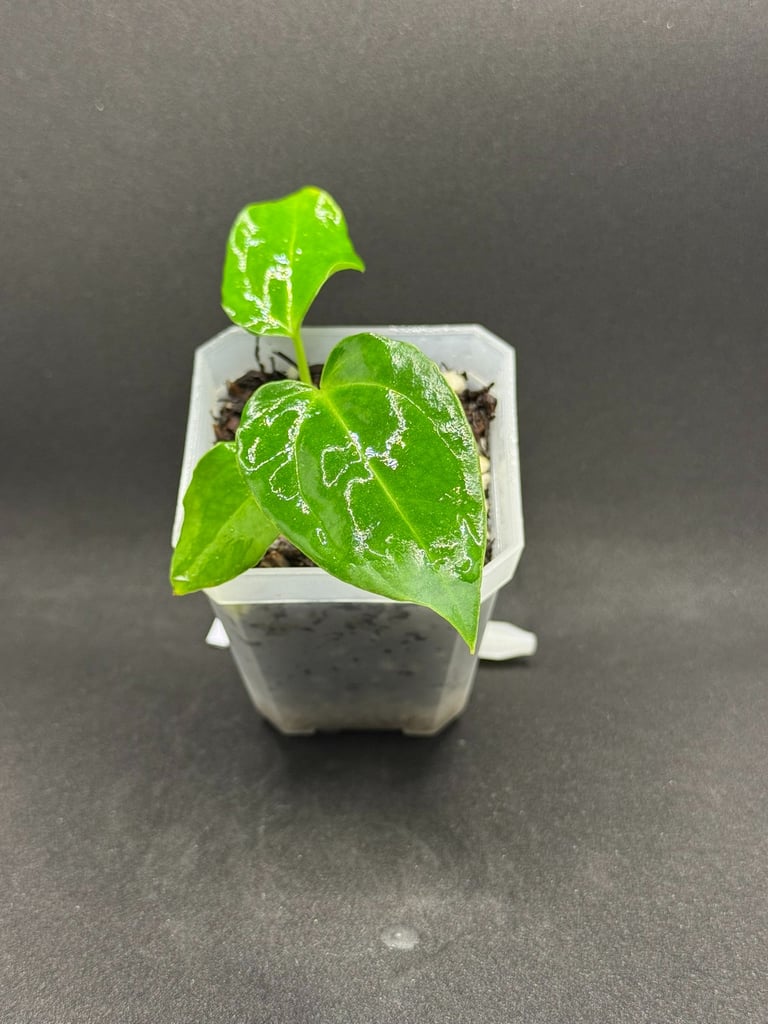
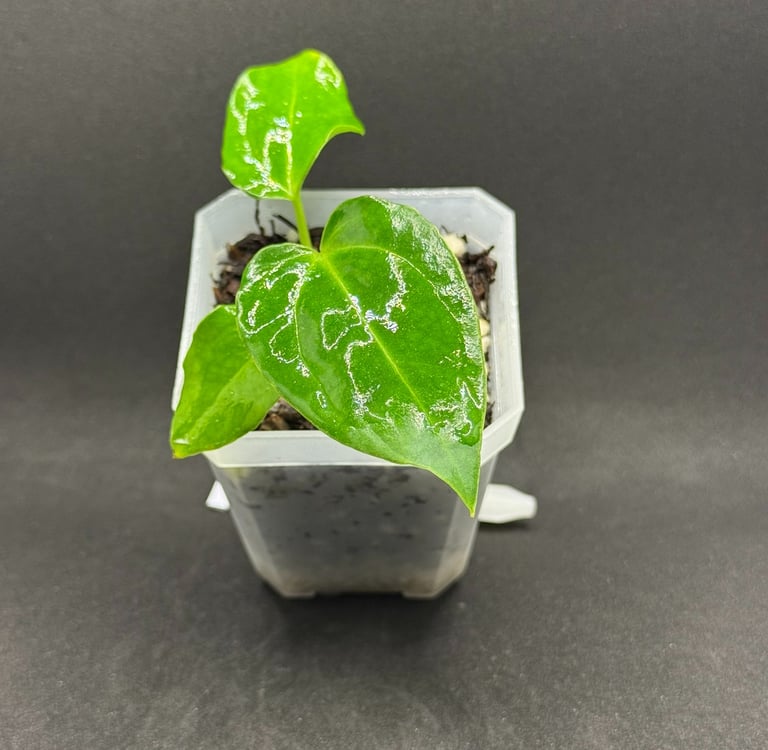
Let me say this upfront: everything in this post is based on my own experience growing over 100 anthuriums in my home in SC. Your results may vary depending on your growing conditions, humidity, light setup, and environment. Use this as a starting point, not a rulebook.
Now. The biggest mistake most beginners make with their first anthurium?
Watering. Either too much or too little. Usually too much.
That one issue is responsible for more lost plants than anything else. So before we talk about anything else, internalize this: anthuriums do not like sitting in soggy soil. They want moisture, not drowning.
Everything below is built around helping you avoid that and a few other common pitfalls.
The Four Things That Actually Matter
There's a lot of information out there about anthuriums and most of it overcomplicates things for beginners. In my experience, four things determine whether your plant thrives or struggles: substrate, light, humidity and temperature, and watering. Get these right and you're most of the way there.
1. Substrate
Anthuriums are epiphytes. In the wild they grow on other plants and surfaces, not in dense ground soil. Their roots need airflow. Regular potting mix holds too much moisture and doesn't drain fast enough, which leads directly to the overwatering problem we just talked about.
For beginners, you want something chunky, loose, and well-draining. Think of it as building a mix that holds just enough moisture without ever feeling soggy. A good starting point is a mix that includes perlite, coco coir, and bark. The goal is a substrate that feels loose and textured, not dense and compacted.
I mix my own substrates and have a full breakdown of exactly what I use and why. If you want to go deeper on this, read that post here.
2. Light
Anthuriums generally prefer indirect light. Direct sun will burn them. A bright spot out of direct rays is a good starting point.
If you have grow lights, that's even better -- they give you control over consistency. I run mine for 12 hours on, 12 hours off. The type of anthurium matters too: velvety varieties like lower light, waxy varieties can handle more. I go into a lot more detail on this, including how to measure light properly, in my lighting guide.
If you don't have a grow light setup yet, start with a bright windowsill with indirect light and watch how your plant responds. If the leaves start to lighten or yellow, it's getting too much. If growth is very slow and leaves stay dark, try moving it somewhere brighter.
3. Watering
This is where most beginners go wrong, myself included when I started.
Overwatering doesn't always mean you're watering too often. It means the roots are staying too wet for too long. Dense soil, poor drainage, and pots without drainage holes all contribute to the same problem.
Signs your anthurium needs water: the substrate feels dry an inch or two down, leaves may start to look slightly limp.
Signs you're overwatering: yellowing leaves, soft mushy stems near the base, roots that look brown and soggy rather than white and firm.
I eventually switched to semi-hydro because I know myself -- I love my plants too much and I was overwatering everything. Semi-hydro takes that variable away. If you're curious about that setup, I have a post on how I make my own self-watering clear pots.
Link to self-watering pots post
For now, if you're in a regular substrate mix, the rule is simple: water when the top inch or two of substrate is dry, make sure your pot has drainage, and never let the plant sit in standing water.
4. One More Thing
Anthuriums are slow. New collectors often panic because nothing seems to be happening. A new leaf every few weeks is normal. Some varieties push even slower than that. As long as the existing leaves look healthy and the roots are white and active, your plant is fine. Patience is part of the hobby.
If you're seeing yellowing leaves, unusual spots, or growth that's stalled for months, those are worth troubleshooting. The most common culprit is almost always watering or light.
Where to Go From Here
This post is the starting point. Once you've got the basics down and your first anthurium is stable, I'd suggest reading these next:
Finding the Right Light for Anthurium
How I Mix My Own Substrates
How I Make My Own Self-Watering Clear Pots
And if you ever have questions, find me on Instagram at @_rootedwithmaddie.
Contact
Get in touch for plant care advice.
Follow
© 2026 Grown with love in Lexington, South Carolina